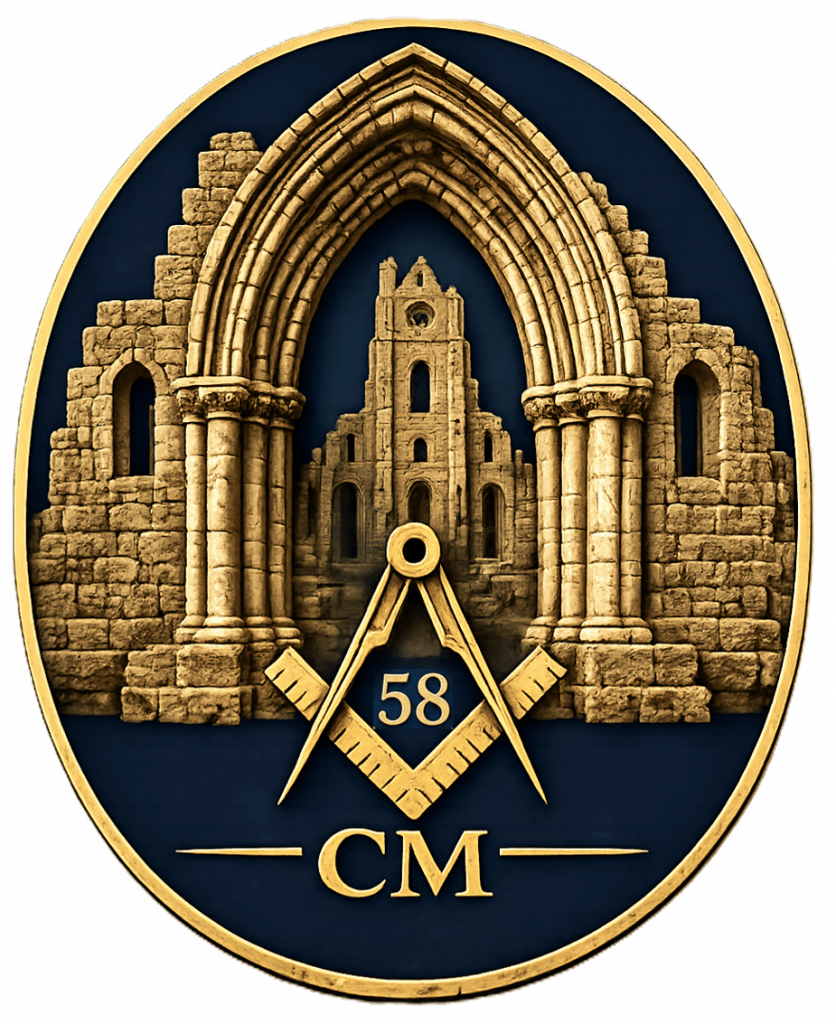
As Lodge Kelso & Tweed No. 58 celebrates its 325th Anniversary, it is fitting to reflect upon our unique connection with Kelso Abbey and consider the Lodge’s place within the wider story of Scottish Freemasonry.
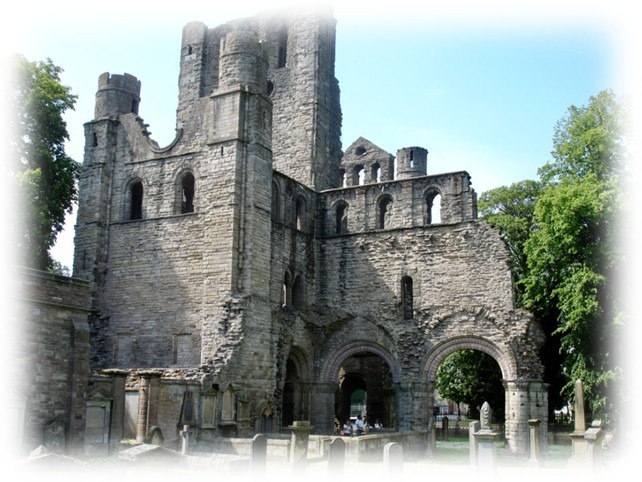
Kelso Abbey occupies a special position in Scottish history. Founded at Selkirk in 1113 before its transfer to Kelso in 1128, it was the earliest of the great reformed medieval abbeys established during the reign of King David I. It predated the Augustinian, Benedictine, Cistercian and Premonstratensian foundations that followed throughout the twelfth century and became the principal house of the Tironensian Order in Scotland.
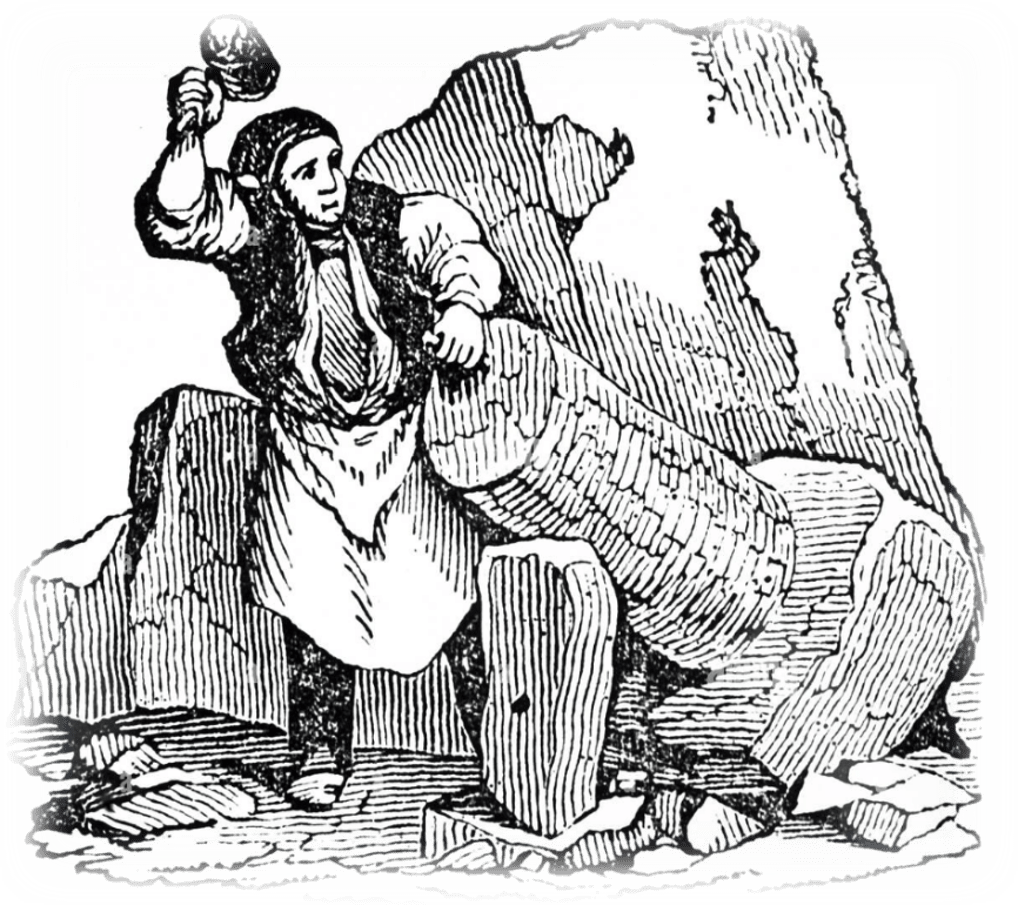
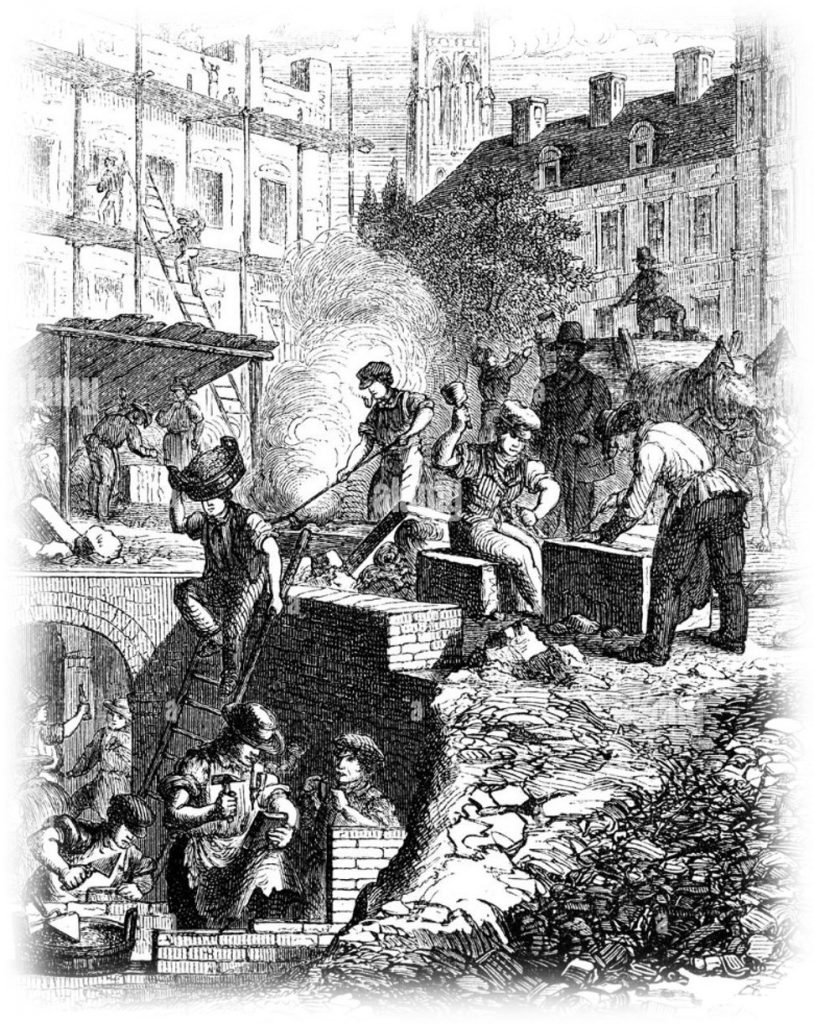
The Tironensian monks were renowned as working monks. Bringing skills in building and stonemasonry from France, they oversaw the construction of churches, abbeys and monastic buildings throughout Scotland. Kelso became the wealthiest and most influential Tironensian house in the kingdom and acted as the mother house of the Scottish Tironensian network, from which daughter houses were established at Kilwinning, Lindores, Lesmahagow and Fogo, whilst Arbroath Abbey may have been founded directly from the Order’s mother house at Thiron in France.
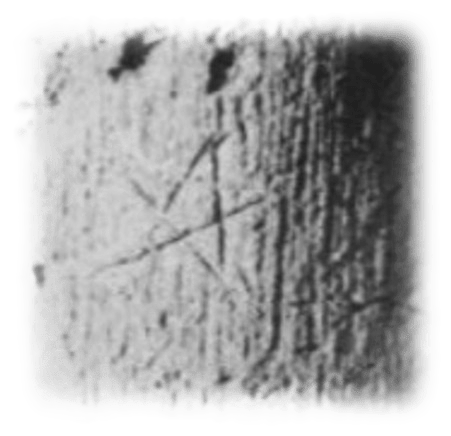
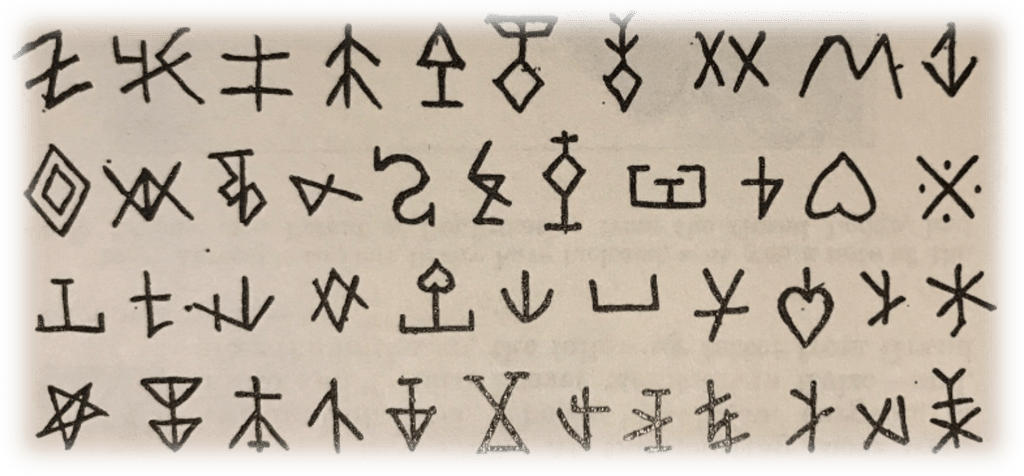
Further evidence of the importance of the craftsmen who built the Abbey came during archaeological excavations at Kelso Abbey in 1975, when the site of a construction yard and mason’s lodge was identified. The hearth of the mason’s lodge had been formed from five sandstone blocks, one of which bore a mason’s mark. The stone displayed vertical and diagonal tooling on its face together with an incised pentagram-shaped mason’s mark, providing a rare and evocative reminder of the skilled stonemasons who once worked on the site.
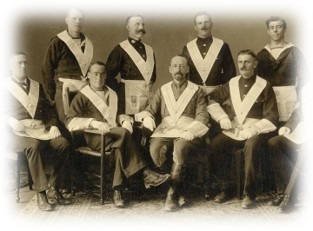
Within Scottish Freemasonry, several lodges lay claim to great antiquity. Lodge Mother Kilwinning No. 0 traces its existence to before 1589; The Lodge of Edinburgh (Mary’s Chapel) No. 1 to before 1598; and Lodge Melrose St John No. 1bis also to before 1598. Lodge Kelso & Tweed No. 58 possesses records dating from 1701, providing clear documentary evidence of its early existence.
While the Lodge cannot produce documentary evidence linking it directly to the stonemasons who worked on Kelso Abbey, the archaeological discovery of a medieval mason’s lodge within the Abbey precincts serves as a powerful reminder of the craftsmen whose skills shaped this historic site. Through that connection, the Lodge can look beyond its written records and recognise a deeper spiritual and symbolic inheritance rooted in the earliest traditions of organised stonemasonry in medieval Scotland.
Therefore, while other lodges may rightly claim greater antiquity through surviving records, Lodge Kelso & Tweed may justly regard itself as standing upon the oldest masonic ground in Scotland, its home being the site of the kingdom’s earliest great medieval abbey and the centre from where the traditions of craftsmanship, fellowship and stonemasonry can be traced back to the foundation of Kelso Abbey in 1113 (1128)